
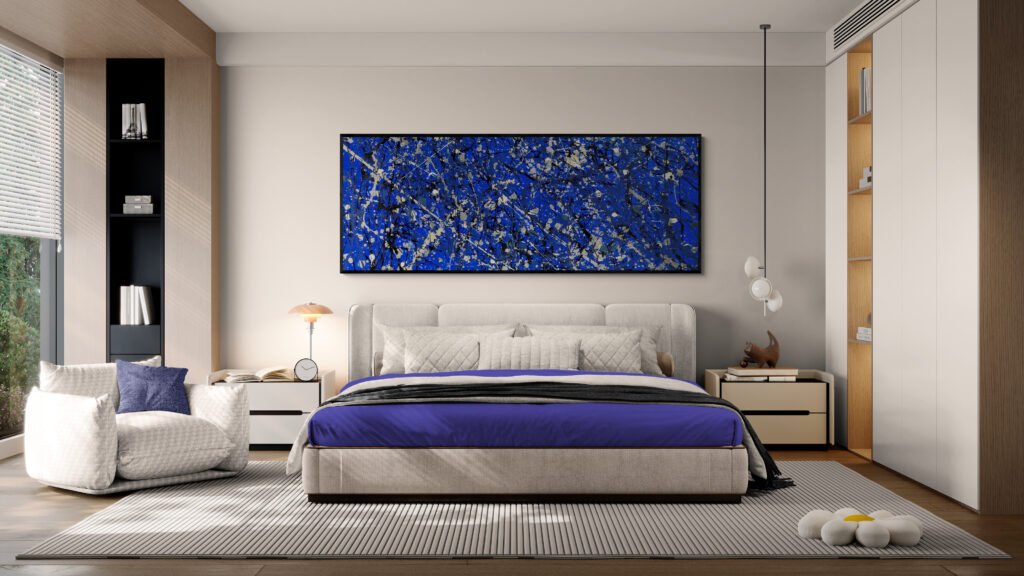
In hotel design, every detail contributes to the guest experience. Architecture, lighting, materials and furniture all play a role—but art is often what gives a space its soul. Well-chosen artwork doesn’t just decorate walls; it creates atmosphere, reinforces identity and makes a place memorable.
In this guide, we explore how abstract art can be used in hotels to build a coherent visual language, from lobbies and corridors to rooms and suites, and how custom and limited series artworks can elevate the entire guest experience.
Why Art Matters in Hotel Interiors
Art as Part of the Brand Experience
For boutique hotels and design-focused spaces, art becomes part of the brand. It communicates values, sets the emotional tone and differentiates the hotel from generic spaces.
Creating Atmosphere and Memory
Guests may not remember every piece of furniture, but they often remember how a space made them feel. Art plays a central role in shaping that emotional memory.
Where Art Has the Most Impact in Hotels
Lobby and Reception Areas
The lobby is the first impression. A strong statement piece or a curated series immediately sets expectations and defines the hotel’s character.
Corridors and Transitional Spaces
Corridors are often overlooked, but they are ideal for creating rhythm and continuity through a coherent series of artworks.
Rooms and Suites
Art in rooms should support relaxation while maintaining the identity of the hotel. A consistent visual language across rooms creates unity without monotony.
The Power of a Cohesive Visual Identity
One Language, Many Expressions
A cohesive art concept does not mean repetition. It means using a shared palette, technique or mood while allowing each artwork to remain unique.
Series and Sets for Large Projects
For hotels, it’s often more effective to design sets of 5, 10, 20 or more pieces together, ensuring harmony across the entire space.
Choosing the Right Style, Scale and Mood
Matching the Architecture and Interior Design
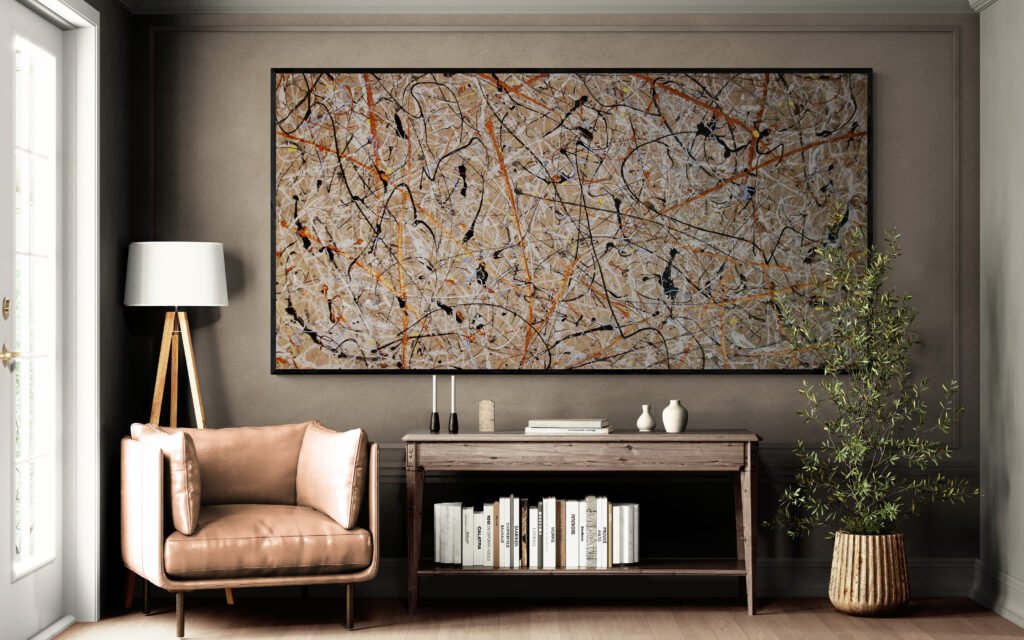
The art should dialogue with the architecture and interior design, not fight against it. Scale, proportions and colors must be chosen with the space in mind.
Statement Pieces vs Subtle Presence
Some spaces call for bold focal points, others for more understated works that support the atmosphere without dominating it.
Custom Art vs Ready-Made Art for Hotels
Why Custom Art Often Makes Sense
Custom artworks allow:
- Perfect sizing for each space
- A controlled and consistent visual language
- A unique identity that cannot be copied by competitors
Combining Custom Pieces and Existing Works
In some projects, a combination of commissioned pieces and existing artworks can work perfectly, depending on budget and timeline.
The Creative Process for Hotel Projects
Concept and Direction
The project usually starts with defining:
- The mood and identity of the hotel
- The areas to be covered
- The number and size of artworks needed
Development and Production
Once the direction is clear, the artworks or series are developed together, ensuring visual coherence across all spaces.
Installation and Final Result
The final stage is the integration of the artworks into the space, where scale, light and context bring everything together.
Planning Art for a Hotel Project
If you are designing or renovating a hotel, it’s best to consider art early in the process. This allows dimensions, palette and concept to be fully integrated into the interior design rather than added at the end.
Let’s Create a Visual Identity for Your Hotel
If you are working on a boutique hotel, design hotel or any hospitality project, we can help you create a coherent and distinctive art concept tailored to your space.
Explore more guides: