A remote abstract art commission has become an increasingly common way for collectors to collaborate with artists worldwide.
Through digital communication, international shipping and remote project planning, custom abstract artworks can now be developed seamlessly across continents.
Collectors no longer need to visit a physical studio to commission original artwork. Through digital communication, international shipping and remote project planning, custom abstract paintings can be developed collaboratively across continents.
However, commissioning art remotely requires clarity, structure and trust from both artist and collector.
Understanding how this process unfolds helps ensure a smooth experience — from initial dialogue to final installation.
The Rise of Remote Art Commissions
Advancements in digital communication have transformed how collectors engage with contemporary artists.
Video calls, high-resolution imagery and real-time updates allow collectors to participate in the creative process without geographical limitations.
Remote commissions are now standard practice for:
- International collectors
- Interior designers
- Corporate projects
- Hospitality spaces
Distance no longer limits access to original abstract art.
The Initial Consultation Process
Every remote commission begins with dialogue.
This consultation phase typically includes:
- Wall dimensions and layout
- Interior photographs
- Palette references
- Architectural context
- Project timelines
Visual documentation is essential. Photographs, videos and floor plans help the artist understand spatial dynamics before production begins.
Defining Scale and Format
Without in-person viewing, scale planning becomes particularly important.
Artists often guide collectors through proportional recommendations based on:
- Wall width
- Ceiling height
- Furniture placement
- Viewing distance
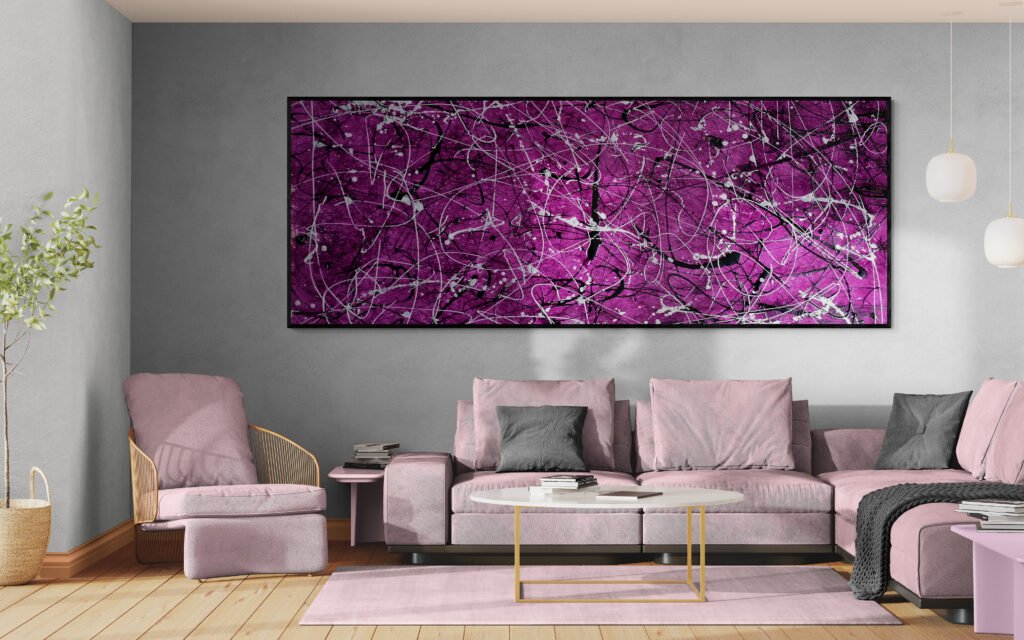
Digital mockups or reference visuals may be used to illustrate how the artwork will function within the space.
Palette and Concept Direction
Color discussion plays a key role in remote commissions.
Collectors may provide:
- Interior material samples
- Fabric tones
- Lighting references
- Desired emotional atmosphere
While these references inform direction, the artist retains interpretive freedom — ensuring the final work remains authentic rather than prescriptive.
Production Updates and Transparency
During production, many artists provide progress updates.
These may include:
- Process photographs
- Detail close-ups
- Studio views
- Surface development stages
Updates help collectors feel connected to the artwork’s evolution despite geographical distance.
Managing Expectations Across Time Zones
International collaboration often involves time zone differences.
Clear communication structures — email, scheduled calls or messaging — help maintain alignment without disrupting studio workflow.
Response times may vary, but structured dialogue ensures continuity throughout the commission.
Logistics and International Shipping
Shipping is one of the most important logistical considerations in remote commissions.
Large abstract paintings are typically shipped rolled in protective tubes to ensure safe transit and cost efficiency.
Collectors can then:
- Stretch the canvas locally
- Frame according to preference
- Adapt presentation to space
This model allows global delivery without compromising artwork integrity.
Customs, Duties and Import Considerations
International buyers should be aware of:
- Import taxes
- Customs duties
- Local handling fees
These costs vary by country and are usually separate from the artwork and shipping price.
Transparent communication helps avoid unexpected expenses.
Documentation and Authenticity
Remote commissions include the same documentation as studio acquisitions.
Collectors receive:
- Signed Certificate of Authenticity
- Artwork details
- Series or project identification
This documentation reinforces provenance regardless of geographic distance.
Installation and Presentation
Once delivered, collectors manage local installation.
Depending on scale, this may involve:
- Professional stretching
- Framing
- Wall mounting
- Lighting adjustments
Because many abstract works are orientation-flexible, collectors can adapt placement to architectural context.
Trust and Creative Alignment
Remote collaboration ultimately relies on trust.
Collectors trust the artist’s process and interpretation. Artists trust the collector’s spatial input and project vision.
When this alignment is established early, distance becomes irrelevant — replaced by creative partnership.
Advantages of Remote Collaboration
Working remotely with an abstract artist offers several advantages:
- Access to global studios
- Custom scale flexibility
- Direct artist dialogue
- Exclusive project creation
For many collectors, remote commissioning expands possibilities beyond local art markets.
Final Reflection
Working with an abstract artist remotely transforms geographical distance into creative opportunity.
Through structured communication, transparent process and professional logistics, collectors can commission deeply personal artworks without ever visiting the studio.
In contemporary abstract practice, collaboration is no longer defined by proximity — but by shared vision and trust.